
Categories
Top Posts
GST Return Filing

Legal Services
Taxpayers
GST Return Filing
Legal Services

Legal Services

GST Registration
Taxpayers

Legal Services
Legal Services
Taxpayers
Legal Services
Taxpayers

Legal Services
GST Registration
Taxpayers

Legal Services

Legal Services
Legal Services

Legal Services
Legal Services
EPR Management
EPR Management

Legal Services

Legal Services
Taxpayers
Social Audit
Taxpayers

GST Return Filing
Legal Services

Legal Services

Legal Services

GST Return Filing

GST Registration

Legal Services
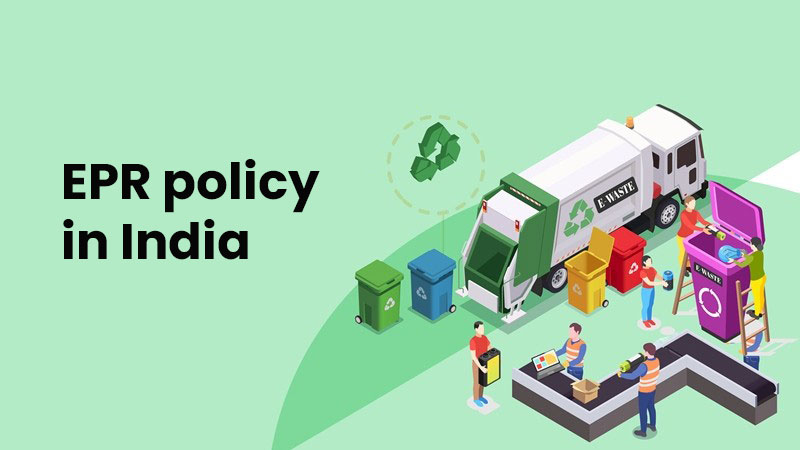
EPR policy in India
Posted: one year ago
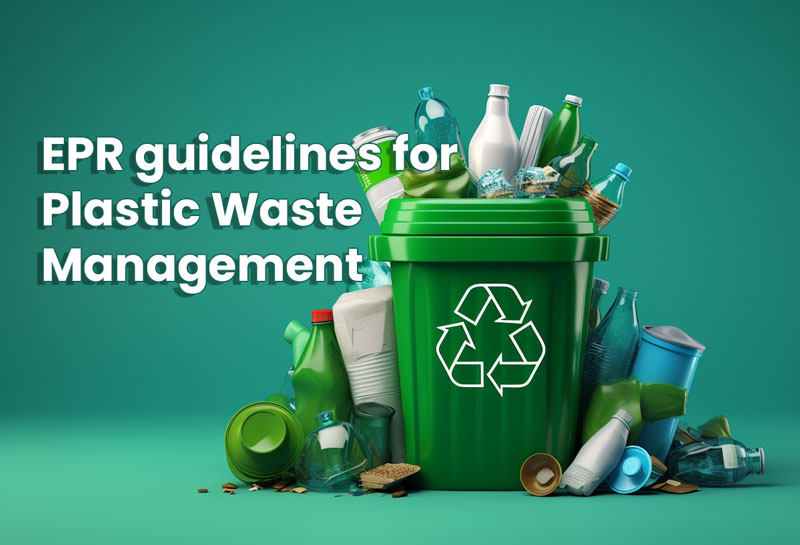
EPR Guidelines for Plastic Waste Management in India: Everything You Need to Know
What is EPR (Extended Producer Responsibility)?
Extended Producer Responsibility (EPR) is a key policy approach under the Plastic Waste Management (PWM) Rules, introduced by the Government of India. It mandates producers, importers, and brand owners (PIBOs) to take responsibility for the environmentally sound management of plastic waste generated through their products.
The EPR guidelines for plastic waste management aim to ensure that producers take accountability for the entire lifecycle of plastic products—from design to disposal. This policy shifts the waste burden from local authorities to producers, creating a more sustainable and circular economy.
Importance of EPR in Plastic Waste Management
India generates over 3.5 million tonnes of plastic waste every year, and the numbers are increasing rapidly. Plastic pollution is one of the biggest environmental threats, affecting marine life, soil quality, and public health. The EPR policy for plastic waste ensures:
- Efficient waste collection and recycling
- Reduction of landfill waste
- Promotion of eco-friendly packaging
- Shared responsibility among stakeholders
- Improved accountability and transparency
Categories of Plastics Under EPR Guidelines
The latest Plastic Waste Management Rules, 2022 classify plastic packaging into four categories:
- Category I – Rigid plastic packaging
- Category II – Flexible plastic packaging (single/multilayer)
- Category III – Multi-layered plastic (MLP)
- Category IV – Compostable plastic packaging
Each category has specific obligations and targets for collection, recycling, and end-of-life disposal.
Key Stakeholders Covered Under EPR Guidelines
The EPR framework applies to the following entities:
- Producers – Manufacturers of plastic products and packaging.
- Importers – Those importing plastic goods or packaging.
- Brand Owners – Companies selling goods under their brand using plastic packaging.
- Plastic Waste Processors (PWPs) – Recyclers, co-processors, and waste-to-energy operators.
These stakeholders must register on the Central Pollution Control Board (CPCB) EPR portal and comply with annual targets and documentation requirements.
EPR Targets and Compliance
Under the new EPR regime, stakeholders must achieve specific targets related to:
- Minimum recycling levels of plastic packaging
- Reuse and use of recycled plastic content
- Environmentally sound disposal of non-recyclable plastic
- Phase-out of problematic plastics like single-use plastic items
The targets are phased, increasing each year until full compliance is expected by 2026-27.
EPR Registration and Documentation
To ensure proper implementation, all PIBOs must:
- Register on the CPCB EPR Portal
- Submit annual action plans
- Maintain records of plastic packaging used and processed
- Get verified certificates from authorized recyclers or processors
Unregistered entities are not allowed to carry out business involving plastic packaging.
Benefits of EPR Compliance
Complying with EPR guidelines for plastic waste management not only helps the environment but also offers several business benefits:
- Improved brand image and consumer trust
- Compliance with national and international regulations
- Reduction in environmental liability
- Access to green certification and eco-labeling
Penalties for Non-Compliance
Failure to comply with EPR obligations can lead to strict penalties including:
- Hefty fines under the Environment (Protection) Act
- Revocation of business licenses
- Restrictions on product sale and import
- Blacklisting on the CPCB portal
Therefore, it is crucial for all stakeholders to stay updated with the latest rules and follow due procedures.
How to Implement EPR in Your Business
To implement EPR effectively, businesses should:
- Assess plastic packaging usage
- Design eco-friendly packaging alternatives
- Partner with registered recyclers and waste processors
- Monitor and report waste data regularly
- Engage in awareness and clean-up campaigns
An effective EPR strategy helps reduce the environmental footprint and promotes responsible consumption and production.
Conclusion
The EPR guidelines for plastic waste management in India represent a vital step toward a cleaner, greener future. With strict compliance norms and an emphasis on recycling and reuse, the EPR policy encourages businesses to take ownership of the environmental impact of their products.
As awareness grows and regulations tighten, it’s essential for businesses to act now—adopt sustainable practices, register with the CPCB, and contribute to building a plastic-free India.
