Categories
Top Posts
GST Return Filing

Legal Services
Taxpayers
GST Return Filing
Legal Services

Legal Services

GST Registration
Taxpayers
Legal Services
Legal Services
Taxpayers
Legal Services
Taxpayers
Legal Services
GST Registration
Taxpayers
Legal Services

Legal Services
Legal Services

Legal Services

Legal Services
EPR Management
EPR Management

Legal Services

Legal Services
Taxpayers
Social Audit
Taxpayers

GST Return Filing
Legal Services
Legal Services

Legal Services

GST Return Filing

GST Registration

Legal Services
Section 269ST understanding Cash Transaction Limit in India
Posted: one year ago
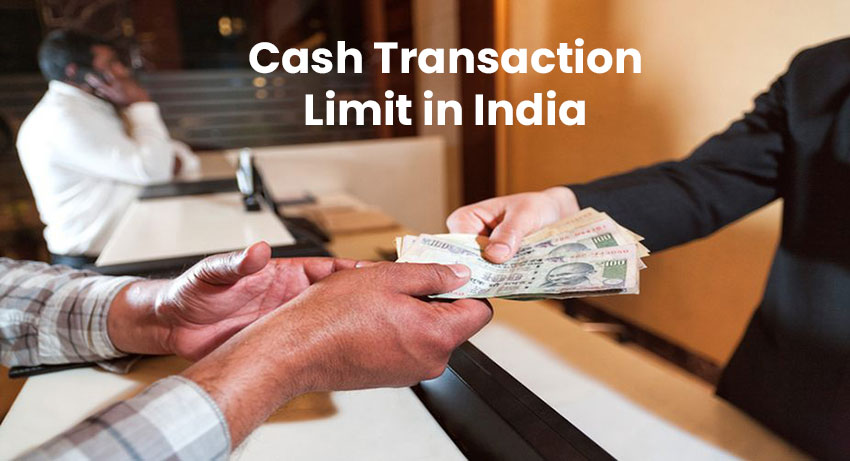
In an effort to curb black money and promote digital transactions, the Indian government introduced Section 269ST under the Income Tax Act, 1961 through the Finance Act, 2017. This section lays down specific restrictions on the amount of cash a person can receive in a single day, from a single source, or in respect of a single transaction. Understanding Section 269ST is crucial for individuals, businesses, and professionals to ensure compliance and avoid hefty penalties.
What is Section 269ST?
Section 269ST of the Income Tax Act prohibits any person from receiving an amount of ₹2,00,000 or more in cash:
-
From a single person in a day,
-
In respect of a single transaction, or
-
In respect of transactions relating to one event or occasion from a person.
These conditions apply individually and simultaneously, meaning that violating any one of them can result in penal action.
Examples to Understand Section 269ST:
-
If Mr. A sells goods worth ₹2,50,000 to Mr. B and receives the entire amount in cash, it violates Section 269ST.
-
If Mr. A receives ₹1,00,000 from Mr. B in the morning and another ₹1,50,000 in the evening on the same day, this too breaches the ₹2,00,000 per day limit.
-
If a wedding planner receives multiple cash payments totaling ₹2,00,000 or more from the same client for a single event, it is also covered under this section.
Exceptions to Section 269ST:
The law does not apply to:
-
Any receipt by the Government,
-
Banking companies, post offices, and co-operative banks,
-
Transactions that are specifically notified by the Central Government.
Additionally, transactions where payments are made through account payee cheque, account payee bank draft, or electronic clearing systems (like NEFT/RTGS/IMPS) are exempt from this restriction.
Penalty for Violation:
The penalty for violating Section 269ST is specified under Section 271DA of the Income Tax Act. It mandates a penalty equal to the amount received in cash. For example, if ₹3,00,000 is received in violation of this section, the penalty will also be ₹3,00,000.
The Joint Commissioner of Income Tax may impose the penalty, and it becomes payable by the person who received the cash, not the one who paid it.
Why Section 269ST Matters:
-
Curbing Black Money: The section is a vital tool in the government’s fight against tax evasion and unaccounted wealth.
-
Promoting Digital Economy: It encourages cashless transactions by limiting high-value cash dealings.
-
Ensuring Transparency: Businesses and professionals are encouraged to maintain proper records and audit trails.
Conclusion:
Section 269ST is a significant step toward financial transparency in India. With strict penalties for non-compliance, it is essential for individuals and businesses to understand the limits on cash transactions and opt for digital or banking channels for large payments. Staying informed and compliant not only avoids legal troubles but also supports the country’s move toward a more formal economy.
Frequently Asked Questions
What is Section 269ST of the Income Tax Act?
What is the cash limit under Section 269ST?
In one transaction, OR
In aggregate from one person in a day, OR
In respect of one event/occasion from a person..
Who does Section 269ST apply to?
Is receiving ₹2 lakh in cash from different people allowed?
Can I receive ₹1 lakh today and ₹1.5 lakh tomorrow in cash from the same person?
What is the penalty for violating Section 269ST?
Can I receive ₹2 lakh in cheque or digital transfer?
Are cash gifts above ₹2 lakh allowed from relatives?
Is cash withdrawal from bank above ₹2 lakh restricted?
What are the exceptions to Section 269ST?
Government bodies
Banks and post offices
Transactions covered under Section 269SS (which deals with loans and deposits).
